Language Learning Apps in 2025: An Honest Comparison Guide
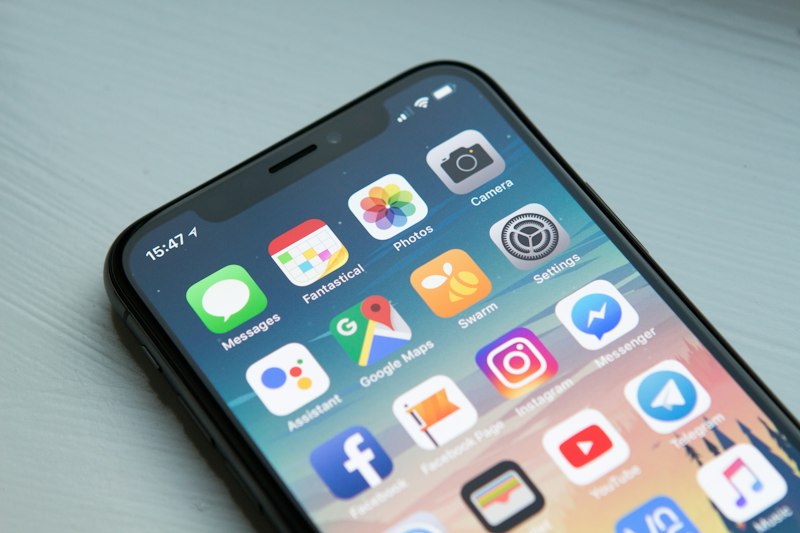
The language learning app market has exploded. Duolingo, Babbel, Rosetta Stone, Busuu, Memrise, Pimsleur, HelloTalk, Tandem, LingQ, Anki—the list goes on. Each promises fluency. Each claims to be "the best." So which one actually works?
Here's the truth: No single app will make you fluent. But the right combination of apps, used strategically, can accelerate your journey dramatically.
This comprehensive guide breaks down the major language learning apps by what they actually do well, where they fall short, and how to combine them for maximum effectiveness.
Understanding the Language Learning Puzzle
Before comparing apps, you need to understand that language learning has multiple components:
Vocabulary Acquisition: Learning words and their meanings Grammar Understanding: Learning how words combine into sentences Listening Comprehension: Understanding spoken language Reading Ability: Understanding written language Speaking Practice: Producing spoken language Writing Practice: Producing written language Cultural Knowledge: Understanding context and appropriate usage
No single app covers all these equally. The best approach combines apps that complement each other's strengths.
Tier 1: The Daily Practice Apps
These apps are designed for consistent, gamified daily practice. They work best for building habits and covering fundamentals.
Duolingo
What it does well:
- Gamification that actually works—streaks, XP, and leagues keep you coming back
- Completely free core experience
- 40+ languages available
- Strong grammar drilling through pattern recognition
- Decent listening practice with native speaker audio
- Stories feature for reading practice (in popular languages)
Where it falls short:
- Sentences often feel artificial ("The duck wears a hat")
- Limited speaking practice (just repeating phrases)
- Advanced levels feel repetitive
- No conversation practice
- Translation-heavy approach can limit thinking in the target language
Best for: Complete beginners building a daily habit, grammar pattern recognition, maintaining languages you've already learned.
Not ideal for: Reaching conversational fluency, learning business or professional language, advanced learners.
Cost: Free with ads, $12.99/month for Plus (ad-free + unlimited hearts)
Babbel
What it does well:
- Sentences feel more natural and usable than Duolingo
- Strong focus on conversation from day one
- Clear grammar explanations (not just pattern matching)
- Speech recognition for pronunciation practice
- Well-structured courses with clear progression
- Content created by linguists, not just algorithms
Where it falls short:
- Less engaging gamification than Duolingo
- Only 14 languages available
- No free tier (limited free content)
- Less community and social features
- Can feel formulaic after extended use
Best for: Adults who want structured, practical conversation skills; people who prefer clear grammar explanations.
Not ideal for: People who need heavy gamification for motivation, learners of less common languages.
Cost: $13.95/month (or $6.95/month annually)
Busuu
What it does well:
- Native speaker corrections on your writing/speaking
- Strong community features
- Offline mode for learning anywhere
- AI-powered personalized study plans
- Certificate courses aligned with CEFR levels
- Good balance of structure and flexibility
Where it falls short:
- Smaller language selection (12 languages)
- Community corrections vary in quality
- Less comprehensive than some competitors
- Premium features behind paywall
Best for: Learners who want native speaker feedback, self-directed learners who want structure.
Cost: Free tier available, Premium $9.99/month
Tier 2: Vocabulary-Focused Apps
These apps specialize in helping you acquire and retain vocabulary efficiently.
Anki
What it does well:
- Most powerful spaced repetition algorithm available
- Completely free (except iOS app)
- Infinite customization—create exactly what you need
- Massive library of shared decks
- Works offline
- Supports images, audio, and cloze deletions
Where it falls short:
- Steep learning curve
- Ugly interface (unless you customize it)
- No grammar instruction
- Creating good cards takes time
- No speaking or listening practice
- Can feel like grinding
Best for: Serious learners who want optimized vocabulary retention, medical/legal/technical vocabulary, learners who enjoy optimization.
Not ideal for: Beginners who don't know what to study, people who want a polished experience, anyone intimidated by customization.
Cost: Free (Android, Desktop), $24.99 one-time (iOS)
Memrise
What it does well:
- Video clips of native speakers (real pronunciation, not TTS)
- Spaced repetition with gamification
- "Learn with Locals" videos showing real usage
- Good for listening practice
- Fun, meme-friendly community content
- Courses for many languages and topics
Where it falls short:
- User-created content varies in quality
- Less structured than textbook-based apps
- Limited grammar instruction
- Can feel scattered without a clear progression
- Best features require premium
Best for: Vocabulary building with authentic audio, supplementing other learning methods.
Cost: Free tier, Pro $8.49/month
Clozemaster
What it does well:
- Massive sentence database (millions of sentences)
- Context-based vocabulary learning
- Spaced repetition with full sentences
- Gamified with points and leaderboards
- Focus on common words first
- Many language pairs available
Where it falls short:
- Sentences lack context about usage
- No pronunciation practice
- Interface less polished than competitors
- Can be monotonous
- No grammar explanations
Best for: Intermediate learners who need massive vocabulary exposure, learners who enjoy sentences over word lists.
Cost: Free tier, Pro $8/month
Tier 3: Speaking and Conversation Apps
These apps focus on the hardest part: actually speaking with real people.
HelloTalk
What it does well:
- Free language exchange with native speakers
- Text, voice messages, and video calls
- Built-in correction features
- Translation tools within chat
- Moments feed for posting content
- Large active community
Where it falls short:
- Quality of partners varies wildly
- Some users treat it like a dating app
- Can be time-consuming to find good partners
- No structured curriculum
- Success depends on your social skills
Best for: Learners ready for real conversation practice, extroverts who enjoy meeting new people.
Not ideal for: Complete beginners, introverts, people who want structured learning.
Cost: Free with ads, VIP $6.99/month
Tandem
What it does well:
- Similar to HelloTalk with cleaner interface
- Tutors available for paid lessons
- Voice and video chat
- Community features
- Better moderation than some alternatives
Where it falls short:
- Same challenges as HelloTalk
- Finding compatible partners takes effort
- No structured learning path
Best for: Conversation practice with native speakers, combining free exchange with paid tutoring.
Cost: Free tier, Pro $6.99/month
iTalki
What it does well:
- Professional tutors for structured lessons
- Community tutors for affordable conversation practice
- Massive tutor selection for most languages
- Recorded lessons for review
- Flexible scheduling
Where it falls short:
- Not an app in the traditional sense
- Requires time commitment for lessons
- Quality varies by tutor
- Can get expensive with professional tutors
- No self-study features
Best for: Serious learners who want real instruction, conversation practice with accountability.
Cost: Tutors set their own rates ($5-80+/hour)
Tier 4: Immersive and Content-Based Apps
These apps focus on learning through authentic content rather than exercises.
LingQ
What it does well:
- Learn through real content (articles, podcasts, books)
- Powerful vocabulary tracking across all content
- Import any content you find online
- Strong comprehensible input philosophy
- Good for reading practice
- Works with Netflix, YouTube, etc.
Where it falls short:
- Interface can feel overwhelming
- Less structure than traditional apps
- Premium required for best features
- No speaking practice
- Not ideal for complete beginners
Best for: Intermediate+ learners who want to read authentic content, fans of comprehensible input method.
Cost: Free tier, Premium $12.99/month
Language Reactor (Chrome Extension)
What it does well:
- Dual subtitles on Netflix and YouTube
- Click any word for instant translation
- Save vocabulary while watching
- Free for basic features
- Makes TV-based learning practical
Where it falls short:
- Only works in Chrome browser
- Limited to video content
- No spaced repetition system
- Requires discipline to actually study
Best for: Learners who want to study with Netflix/YouTube, intermediate+ learners.
Cost: Free tier, Pro $5.99/month
TapTapTappa
What it does well:
- Learn through songs you actually enjoy
- Interactive lyric exercises
- Vocabulary capture from music
- Combines entertainment with learning
- Natural repetition through replay
- Emotional connection aids memory
Where it falls short:
- Music-focused (not comprehensive language program)
- Song availability varies by language
- Supplementary to other learning
Best for: Music lovers who want to learn through songs, vocabulary building with emotional context.
Tier 5: Specialized and Traditional Apps
Pimsleur
What it does well:
- Audio-based learning perfect for commutes
- Focus on pronunciation from day one
- Graduated interval recall system
- Natural conversation pace
- Good for speaking confidence
Where it falls short:
- Very expensive ($19.95/month per language)
- No reading or writing practice
- Slow progression for some learners
- Limited vocabulary coverage
- Dated content in some courses
Best for: Auditory learners, commuters, people who want speaking-focused practice.
Cost: $19.95/month per language
Rosetta Stone
What it does well:
- Full immersion approach (no English)
- Strong pronunciation feedback
- Comprehensive structured curriculum
- Long-established method
- Offline access
Where it falls short:
- Very expensive ($11.99/month for all languages)
- No grammar explanations can frustrate adults
- Feels slow-paced for some
- Dated interface and content
- Less effective for adult learners than newer apps
Best for: Learners who prefer immersion approach, those with company-provided access.
Cost: $11.99/month (all languages)
The Optimal Stack: How to Combine Apps
Based on research and real learner results, here's how to combine apps effectively:
Beginner Stack (0-6 months)
Daily practice: Duolingo or Babbel (15-20 min/day) Vocabulary: Anki or Memrise (10 min/day) Supplementary: TapTapTappa for music-based learning
Why this works: Builds habit with gamification, ensures vocabulary retention, adds enjoyable content.
Intermediate Stack (6-18 months)
Conversation: HelloTalk or iTalki (3x/week) Vocabulary: Anki with personal cards (15 min/day) Immersion: LingQ or Language Reactor (30 min/day) Music: TapTapTappa (daily casual use)
Why this works: Shifts focus to real communication, maintains vocabulary progress, increases authentic input.
Advanced Stack (18+ months)
Conversation: iTalki tutoring (2-3x/week) Immersion: Netflix/podcasts/books (1+ hours/day) Vocabulary: Anki for specialized vocabulary only Music/Culture: Native content including music
Why this works: Maximizes authentic input and output, focuses on gap-filling rather than general study.
Key Principles for App Selection
Principle 1: Habit First The best app is the one you'll actually use. If gamification keeps you consistent, embrace it. If you hate Duolingo's style, don't force it.
Principle 2: Skills Over Tools Think about which skills you need to develop, then choose apps that target those skills. Don't let apps dictate your learning—let your goals dictate your app choices.
Principle 3: Combine Strategically Using five apps for vocabulary is redundant. Using one app each for vocabulary, speaking, listening, and grammar creates a complete system.
Principle 4: Graduate Upward What works for beginners doesn't work for advanced learners. Be willing to abandon apps that no longer serve your level.
Principle 5: Efficiency Matters Time spent switching between apps or managing subscriptions is time not spent learning. Keep your stack simple and focused.
The Hidden Factor: Consistency
Every app comparison misses the most important factor: consistency trumps method.
Someone using a "worse" app daily for a year will outperform someone using the "perfect" app sporadically. The gamification that critics mock? It exists because it works—it keeps people coming back.
Find apps you enjoy using. Create systems that feel sustainable. Build habits that don't rely on willpower.
The best language learning app is the one that helps you show up tomorrow, and the day after, and the day after that.
Final Recommendations by Goal
"I just want to build a habit and see if I like learning languages" → Start with Duolingo (free, gamified, low commitment)
"I want to have real conversations as quickly as possible" → Babbel + HelloTalk/iTalki combination
"I'm an intermediate learner feeling stuck" → LingQ + iTalki + Anki for targeted vocabulary
"I learn best through entertainment" → TapTapTappa + Language Reactor + content in your target language
"I have a long commute and want to use that time" → Pimsleur + language podcasts
"I'm serious and willing to invest time and money" → Full stack: Babbel (foundation) + Anki (vocabulary) + iTalki (speaking) + TapTapTappa (music) + LingQ (reading)
Ready to add music to your language learning stack? TapTapTappa transforms your favorite songs into interactive language lessons, helping you build vocabulary through the music you already love.